Growth Through Interactive Daily Experiences
Early Learning & Development Programs in Peabody for children building cognitive, motor, and communication skills from infancy through preschool
Age-appropriate curriculum that changes as children develop requires activities designed specifically for each developmental stage rather than applying the same approach across all ages. Little Star Child Care Center structures early learning programs in Peabody with distinct activities for infants, toddlers, and preschoolers that target cognitive skills like problem-solving and memory, motor skills including both fine and gross movements, and language development from first words through complex sentences. Parents receive progress tracking and regular updates that document how children are advancing across developmental domains.
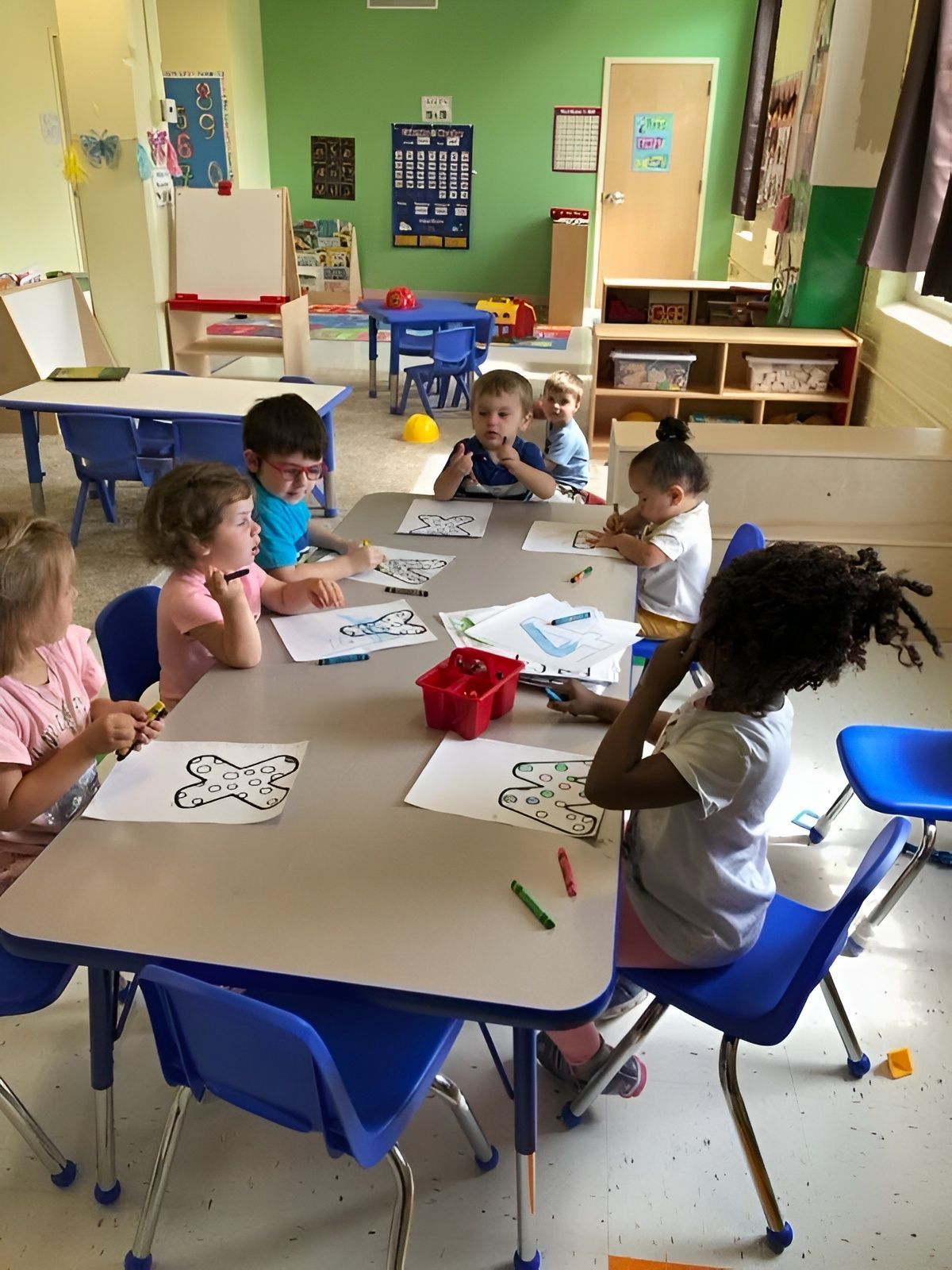
The programs focus on interactive learning through play, where children explore materials, test ideas, and discover relationships between actions and outcomes rather than passively receiving information. Social-emotional growth support is embedded throughout daily routines as children learn to identify feelings, manage frustration, and build relationships with peers and caregivers.
Request a program overview meeting to discuss how curriculum adapts to your child's current abilities and next developmental steps.
How Developmental Programming Works Across Age Groups
Infants engage with high-contrast visual materials, textured objects for tactile exploration, and responsive caregivers who narrate actions and respond to vocalizations, building neural pathways through sensory input and social interaction. Toddlers use manipulatives like stacking toys, shape sorters, and simple puzzles that develop hand-eye coordination and spatial reasoning, while participating in group activities that introduce early math concepts through songs and movement games.
Families notice children reaching developmental milestones within expected timeframes, demonstrating age-appropriate problem-solving during play, communicating needs and ideas more clearly, and showing increased physical coordination during activities like climbing, drawing, and self-care tasks. Progress tracking documents specific skills observed each month and alerts parents when children excel in particular areas or would benefit from additional practice.
Language and communication development happens throughout the day as caregivers engage in back-and-forth conversations, expand on children's statements with added vocabulary, read books that introduce new words in context, and create opportunities for children to describe their experiences and ask questions. Social-emotional activities teach children to recognize emotions in themselves and others, use words instead of physical actions during conflicts, and develop empathy through cooperative play.
Questions About Developmental Programming
Families enrolling children in early learning programs often want to understand how activities support specific areas of growth and how progress is measured.
How does interactive learning through play actually build cognitive skills?
Children develop problem-solving abilities by testing ideas with open-ended materials like blocks and art supplies, learning cause and effect through repeated experimentation, building memory by recalling rules of familiar games, and practicing categorization during cleanup routines that require sorting toys by type.
How do caregivers support language development for children at different verbal stages?
Staff adjust language input based on each child's current abilities, using simple narration and naming objects for infants, asking open-ended questions and expanding toddler phrases into full sentences, and engaging preschoolers in longer conversations that include descriptive language and storytelling.
How does social-emotional support help children in Peabody prepare for school settings?
Programs teach children to recognize and name emotions, wait for turns and share materials, ask for help when frustrated, follow group routines, and participate in classroom-style activities, building the emotional regulation and social competence that elementary schools expect.
What information appears in progress tracking reports?
Little Star Child Care Center documents observable milestones across developmental domains including physical abilities, communication advances, social interactions, self-help skills, and cognitive achievements, comparing progress to typical developmental ranges and highlighting areas of strength.
What motor skills do children practice during daily activities?
Fine motor development occurs through activities like grasping small objects, turning book pages, using utensils during meals, and attempting early writing with crayons, while gross motor skills build through climbing, running, dancing, throwing and catching, and navigating obstacle courses.
Little Star Child Care Center in Peabody designs early learning activities around developmental stages and individual progress. Call (818) 441-1566 to learn about age-specific programming and enrollment.