
Individualized Support for Diverse Developmental Needs
Special Needs Childcare in Peabody for children requiring specialized care plans and sensory-friendly activities
Children with developmental delays, physical disabilities, sensory processing differences, or other specialized needs benefit from inclusive childcare environments where trained caregivers implement individualized care plans developed in collaboration with parents and therapists. Little Star Child Care Center provides special needs childcare in Peabody with staff trained to recognize and respond to diverse communication styles, mobility requirements, and sensory sensitivities that affect how children interact with their environment and peers. The program focuses on developmental milestones while adapting activities, routines, and expectations to match each child's abilities and goals.
This service creates a supportive environment where children with specialized needs participate in group activities alongside typically developing peers when appropriate, while receiving individualized attention and modifications that allow them to engage successfully. Caregivers work with occupational therapists, speech therapists, physical therapists, and behavioral specialists to implement recommended strategies during daily routines.
Arrange an initial consultation to discuss your child's specific needs, current therapies, and how care plans can be coordinated with existing support services.
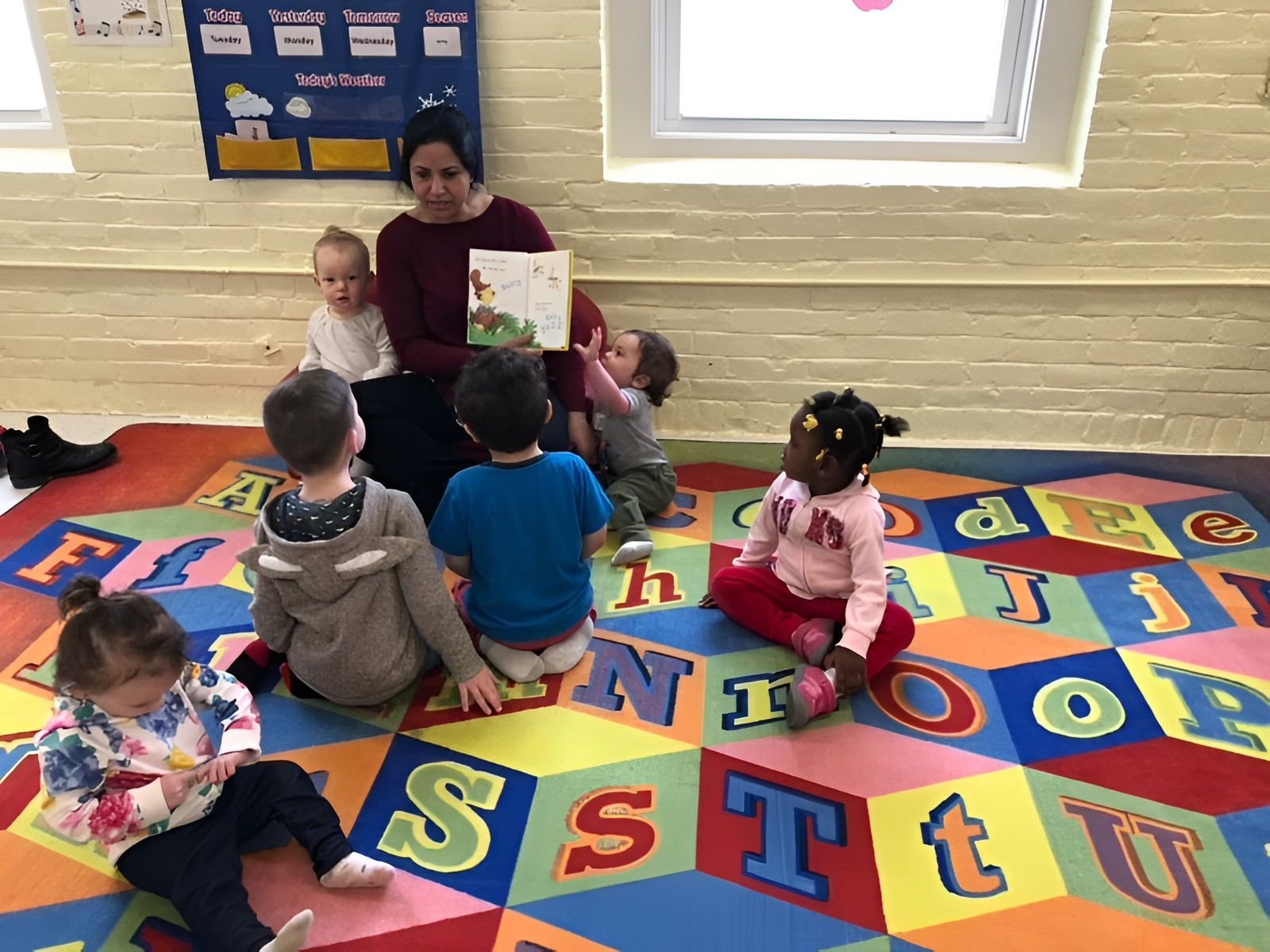
What Individualized Care Plans Address
Care plans document each child's strengths, challenges, communication methods, sensory preferences, behavioral triggers, and specific goals identified by parents and therapists, then outline how caregivers will adapt activities and respond to individual needs throughout the day. Staff receive training on positioning and handling techniques for children with physical disabilities, communication strategies for nonverbal children or those with speech delays, and sensory regulation approaches for children who become overwhelmed by noise, textures, or visual stimulation.
Parents observe their children participating more fully in group settings, demonstrating progress toward therapy goals during natural play activities, and developing social connections with peers who learn to accommodate different abilities and communication styles. Regular collaboration meetings ensure care plans remain aligned with current therapy recommendations and family priorities as children grow and skills change.
Sensory-friendly activities include quiet spaces where children can retreat when overstimulated, adaptive equipment that allows participation in physical play, visual schedules that provide predictability for children who struggle with transitions, and modified art and sensory materials that accommodate tactile sensitivities. The program balances inclusion with recognition that some children need smaller group sizes, reduced sensory input, or one-on-one support during certain activities.
Answers to Questions About Specialized Care
Families considering special needs childcare want to understand how staff training, communication, and daily routines accommodate children with diverse abilities.
What training do caregivers receive for working with children who have specialized needs?
Staff complete training in developmental disabilities awareness, adaptive communication techniques, sensory processing strategies, behavior support fundamentals, and safe handling procedures for children with physical limitations, with ongoing education as individual children's needs require specific knowledge.
How does collaboration with therapists work during childcare hours?
Little Star Child Care Center communicates regularly with outside therapists to understand current goals, implement recommended activities and positioning during daily routines, document observations that inform therapy planning, and coordinate schedules when therapists provide services at the center.
What happens when a child becomes overwhelmed or needs a break from group activities?
Caregivers recognize early signs of sensory overload or frustration and guide children to designated calm spaces with reduced stimulation, offer preferred sensory tools like weighted lap pads or fidget items, and allow time to regulate before rejoining activities rather than forcing continued participation.
How are developmental milestones tracked for children with delays or disabilities?
Progress tracking focuses on individual goals identified in care plans rather than comparing children to typical developmental timelines, documenting small advances in targeted skills, noting strategies that support success, and sharing observations with parents and therapists to inform ongoing intervention.
What makes the environment inclusive for children with different communication abilities?
Staff use visual supports, sign language basics, communication boards, and assistive technology as needed, while teaching typically developing peers to recognize and respond to diverse communication methods, creating a community where all children can express needs and participate in social interactions.
Little Star Child Care Center in Peabody adapts programming to support children with specialized developmental needs through trained staff and individualized planning. Contact (818) 441-1566 to discuss how the program can accommodate your child's specific requirements.