
Structured Time for Exploration and Problem Solving
Play-Based Learning Programs in Peabody for children who need social interaction and hands-on skill development
Children develop cognitive and social skills most effectively through exploratory play that presents problems to solve and opportunities to interact with peers. Little Star Child Care Center designs daily activities around hands-on learning, outdoor physical play, and creative challenges that encourage independence and curiosity. Your child spends time building, experimenting, and negotiating with other children rather than sitting through structured lessons that require prolonged attention beyond their developmental capacity.
The program balances structured activities with free play periods, allowing children to choose their focus while staff observe, guide, and introduce new concepts through materials and prompts. This approach builds problem-solving skills, emotional regulation, and cooperation without relying on worksheets or passive instruction that young children struggle to retain.
Schedule a facility tour to observe a play session and see how staff facilitate learning without directing every interaction.
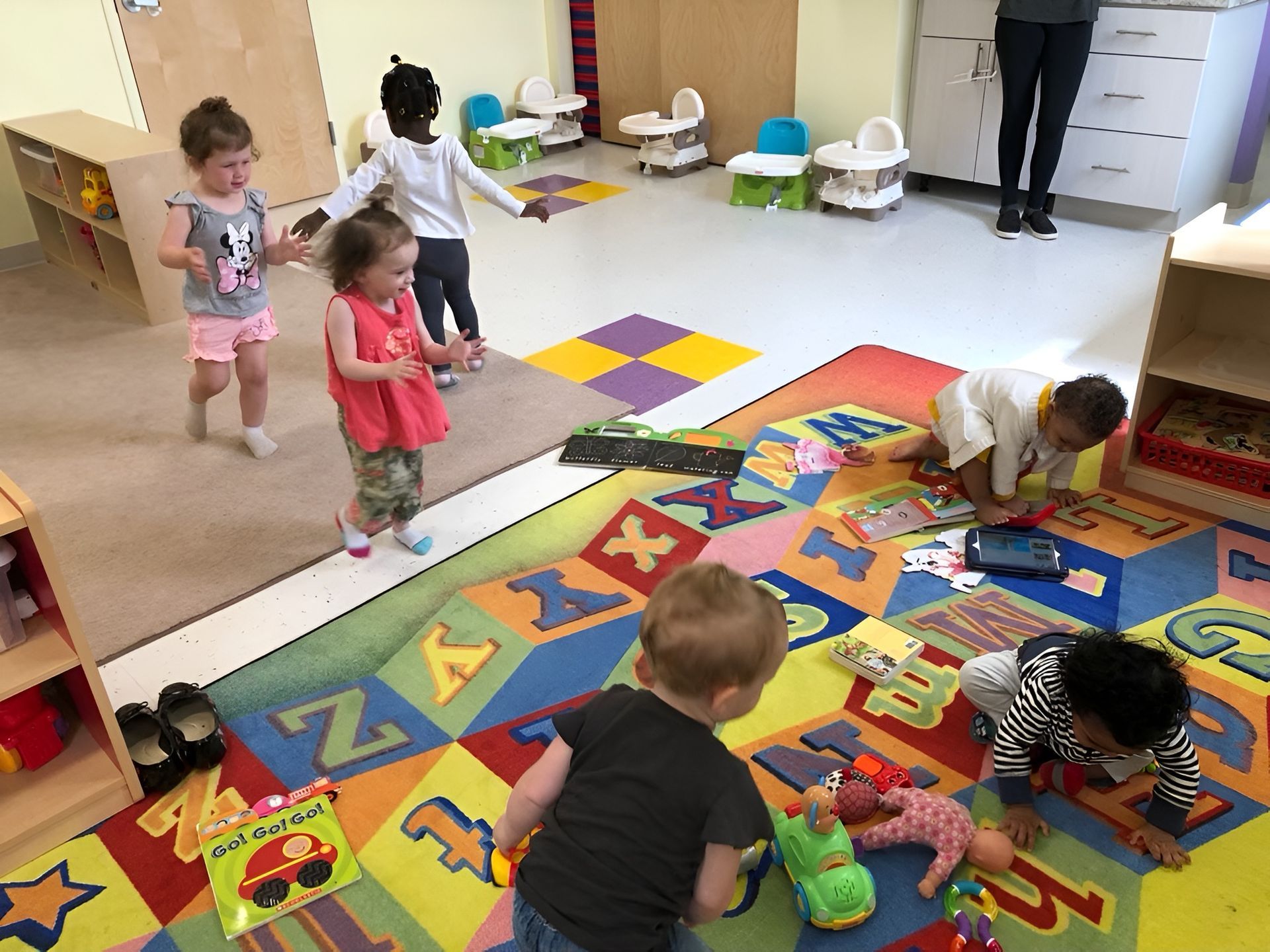
What Play-Based Learning Actually Accomplishes
Play-based learning uses intentionally selected materials and activities that target specific developmental milestones. Blocks teach spatial reasoning and early math concepts, dramatic play areas develop language and empathy, and outdoor equipment builds gross motor skills and risk assessment. Staff introduce challenges that match each child's current ability level, then step back to let children attempt solutions independently before offering guidance. This method builds confidence and persistence that transfer to academic tasks later.
After several weeks in the program, your child will initiate cooperative play with peers, attempt tasks they previously avoided due to difficulty, and verbalize their thinking process when working through problems. You'll hear them describe what they built or discovered during the day with specific details about cause and effect, and you may notice improved frustration tolerance when projects don't work as expected at home.
The program emphasizes outdoor play regardless of weather, with appropriate clothing and shortened durations during temperature extremes common in Peabody's winter months. Activities are designed to develop independence and curiosity, but children still receive guidance on safety, sharing, and conflict resolution when peer interactions escalate beyond their self-regulation abilities.
Questions Before Starting Your Project
Families new to play-based learning often want to understand how unstructured time translates into developmental progress and school readiness.
How does play-based learning prepare children for kindergarten academics?
Skills like following multi-step directions, waiting for turns, focusing on tasks, and asking questions all develop through play activities that require cooperation, planning, and problem-solving before they're taught through formal academic instruction.
What happens during outdoor play when weather is unpredictable?
Children go outside daily unless conditions pose safety risks, wearing layered clothing in cold months and using shaded areas during summer heat, because physical activity supports attention span and emotional regulation throughout the rest of the day.
What types of materials and activities are included in creative problem-solving?
Children use open-ended materials like art supplies, building sets, sensory bins, and puzzles that have multiple solutions, allowing them to experiment with different approaches and learn that mistakes are part of the discovery process rather than failures.
How do you balance free play with structured learning activities?
The daily schedule alternates between adult-led activities that introduce new concepts or skills and child-directed play periods where children apply what they've learned or explore materials based on their current interests and developmental focus.
When do children work on social skills like sharing and cooperation?
Social skill development happens continuously during play as staff coach children through conflicts, model language for expressing needs, and set up activities that require collaboration, such as building projects that need multiple participants or role-play scenarios with shared goals.
Little Star Child Care Center uses play as the primary learning method because it matches how young children naturally acquire skills and knowledge. Request a program overview that details age-specific activities and developmental goals addressed through daily play in Peabody.